
Chinese millennials are the new global consumer superpower !

Chinese millennials are regarded the new generation of consumers who will shape the world market for the forthcoming years as they account for over 400 million people and have become a consumer superpower with great impact. The key feature of this peer group is that they are only children because of the country’s rigorous policy in 1979 of controlling the country’s population.
Due to this policy, children, who are now between 19 and 35 years old, have received great attention from their families and are used to have almost everything they long for. Consequently, they are more willing than any other generation to spend money on all kinds of goods.
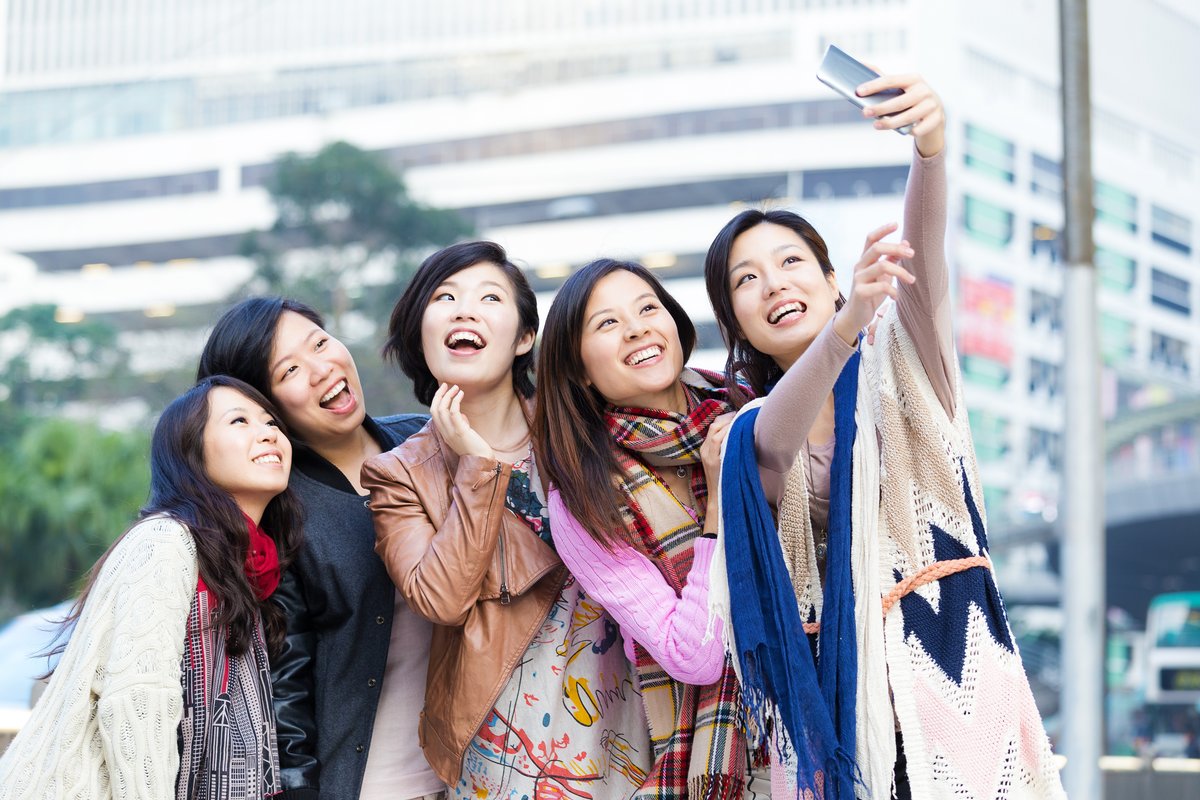 Chinese millennials make purchases for personal pleasure and use the internet and the social media to socialize and they are proved particularly active users compared to other millennials across the globe.
They often make online payments mainly through their cell phones. During 2016 Alibaba, an e-commerce company, has seen mobile purchases from Chinese millennials reaching 82%, compared to a mere 36% from the American consumers.
The key points that distinguish China’s millennials are the following:
- Technologically aware
According to a survey from the Internet Information Center of China (CNNIC), millennials between 20 and 39 years old were the majority of Internet users in China during 2016, whereas those based in the urban centers used their mobile phones for browsing and online shopping more than any other age group in the country. - Socially active
Millennials are the largest group of users in two major social platforms in the whole country: WeChat and Weibo. In October 2016, 60% of WeChat users in China were between 16 and 35 years old, compared to Weibo users who range between 18 and 30 yrs old and account for more than 2/3 of all users according to the platform itself.
Millennials in China are affected so much by social networking, that 55.3% of them say they want to “share” everything they do in their lives through social media. In contrast, less than one-third of Americans support the same attitude. - They respect uniqueness and are curious by nature
 Millennials in China love authenticity and their curiosity has boosted online sales, which is estimated to reach $ 110.68 billion in 2017, according to Alibaba’s annual report. Product categories with high demand are those of personal care, beauty, food, and clothing as well as foreign wines and Japanese cartoons.
 - Travel enthusiasts
According to a study on Airbnb, 93% of millennials in China consider travel as an important part of their life and rank them among the highest priorities, followed by debt repayment, investment and savings or home and car purchase. - Economically safe
A great 70% of the Chinese millennials between 19 and 36 years old have their own home, given that they are the only children in their families. Both in the US and the United Kingdom this figure is 35% and 31% respectively.
Due to the specificity of these millennials, their purchasing impact is not limited to a product sector, but includes areas such as beauty, fashion and luxury goods, since their ultimate goal is to enjoy life. They admire the Western way of life as more sophisticated and invest a great deal in education and financial services such as wealth management.